Robert Oppenheimer

Now I come to write in light and fire
in a language of power we all know,
beyond every letter and poetry
and all the dithering of philosophy,
all the prevarication of politics.
The physicists have known sin, it’s true,
but also the brilliance of a burden
overcome in the ageless mountains,
a foul display that was beyond awesome,
beyond my conscience but still atop it:
in less than a second tens of thousands
turned to piles of boiled organs and black char,
the burnt but still living running for the
cisterns or the boiled, dead-crowded rivers.

News of a flood or an earthquake makes me
think of myself, since the questions tendered
to heaven are now given to me,
and its silence is something like my own:
any remorse is just ridiculous
and any warning is usefully late,
since I’ve already handled God’s fuel.
I cannot keep from swagger, or from mourning:
this knowledge a weight you will never know
and with it a satisfaction, a pride:
numbers and elements resolved into
a thing that worked, but never should again.
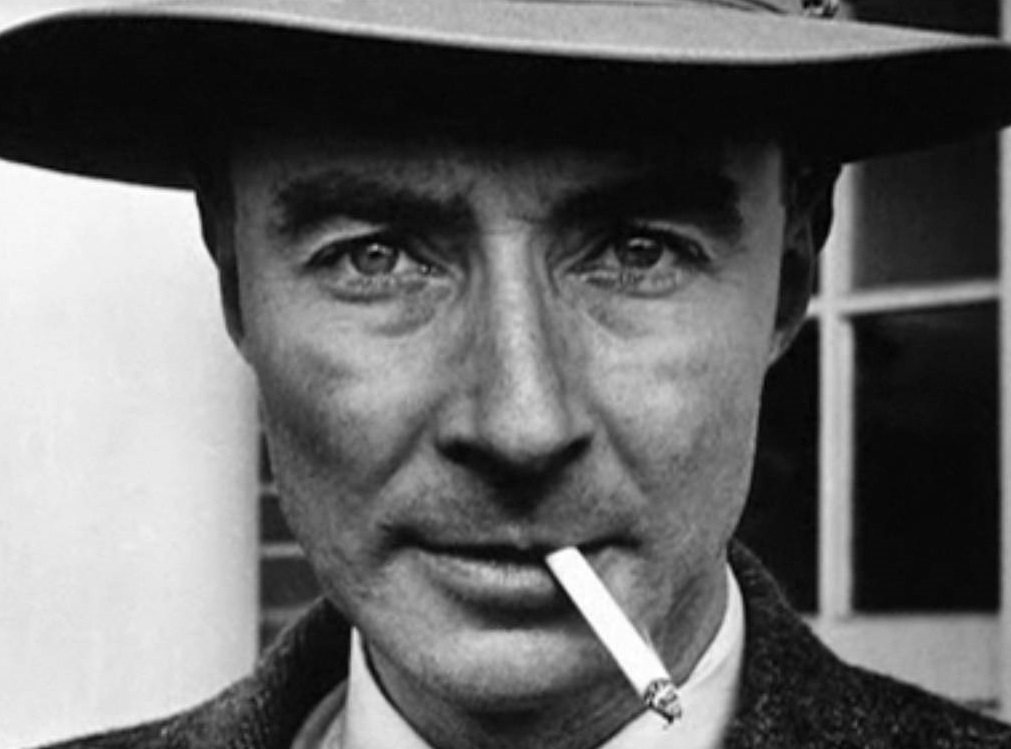
Originally published in Poethead, July 2016


Discover more from Tim Miller

Subscribe to get the latest posts to your email.

One response

  1. […] My poem about Robert Oppenheimer ⁠⁠can be read here⁠⁠. […]

#236 – At home with Bach Human Voices Wake Us

An episode from 8/3/26: Tonight, we return to the life of the composer Johann Sebastian Bach (1685-1750) and look into two very different aspects of his creative life. The first is to ask the question how, and under what circumstances, did he write his great music? As it turns out, for the last almost-thirty years of his life, he wrote his music in a 125-square foot room, amid the inescapable the sounds of his family and students. The second question: what was Bach like as a public performer, and what was it like to perform with him—or, more likely, under his critical eye? The two books I read from are John Eliot Gardiner's Bach: Music in the Castle of Heaven and Chritoph Wolff's Johann Sebastian Bach: The Learned Musician. My other episodes on Bach is Bach and God.Let me know what you think in the comment.The best way to support the podcast is by leaving a review on Apple or Spotify, sharing it with others, or sending me a note on what you think. You can also order any of my books: Time and the River: From Columbine to the Invention of Fire, Notes from the Grid, To the House of the Sun, The Lonely Young & the Lonely Old, and Bone Antler Stone. I've also edited a handful of books in the S4N Pocket Poems series. I also have a YouTube channel where I share poems and excerpts from these books, mostly as YouTube shorts.Email me at humanvoiceswakeus1@gmail.com.
  1. #236 – At home with Bach
  2. #235 – London in 2011, London in the 1660s
  3. #234: The Intensity of Private Moments
  4. #233: Talking Baseball with Tom Hart
  5. #232: Ted Hughes in Alaska
  6. #231: The mythology of the moon
  7. #230 – The mythology of the bear, and Byron gets apocalyptic
  8. #229 : Mother Earth and myths of mining and agriculture
  9. #228 – What Ted Bundy did on July 14, 1974
  10. #227 – The Great Fire of London and the destruction of Jerusalem

Discover more from Tim Miller

Subscribe now to keep reading and get access to the full archive.

Continue reading

Discover more from Tim Miller

Subscribe now to keep reading and get access to the full archive.

Continue reading