How fresh, O Lord, how sweet and clean
Are thy returns! ev’n as the flowers in spring;
          To which, besides their own demean,
The late-past frosts tributes of pleasure bring.
               Grief melts away
               Like snow in May,
          As if there were no such cold thing.

          Who would have thought my shrivel’d heart
Could have recover’d greennesse? It was gone
          Quite under ground; as flowers depart
To see their mother-root, when they have blown;
               Where they together
               All the hard weather,
          Dead to the world, keep house unknown.

          These are thy wonders, Lord of power,
Killing and quickning, bringing down to hell
           And up to heaven in an houre;
Making a chiming of a passing-bell.
               We say amisse,
               This or that is:
          Thy word is all, if we could spell.

          O that I once past changing were,
Fast in thy Paradise, where no flower can wither!
          Many a spring I shoot up fair,
Offring at heav’n, growing and groning thither:
               Nor doth my flower
               Want a spring-showre,
          My sinnes and I joining together.

          But while I grow in a straight line,
Still upwards bent, as if heav’n were mine own,
          Thy anger comes, and I decline:
What frost to that? what pole is not the zone,
               Where all things burn,
               When thou dost turn,
          And the least frown of thine is shown?

          And now in age I bud again,
After so many deaths I live and write;
          I once more smell the dew and rain,
And relish versing: O my onely light,
               It cannot be
               That I am he
          On whom thy tempests fell all night.

          These are thy wonders, Lord of love,
To make us see we are but flowers that glide:
          Which when we once can finde and prove,
Thou hast a garden for us, where to bide.
               Who would be more,
               Swelling through store,
          Forfeit their Paradise by their pride.
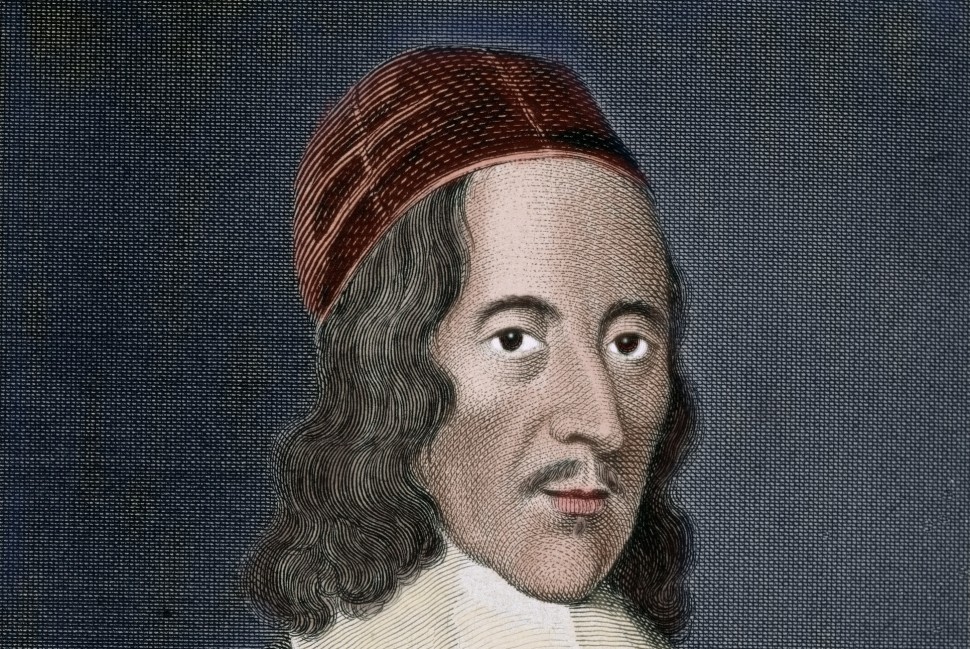
George Herbert, 1593-1633 – “The Pearl” from The Complete Poems

Leave a Reply