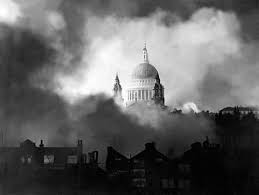
An episode from 12/21/23: What is it like for your country to declare war, and then wait for it, and then live through it? Tonight, I read only a small sampling from Norman Longmate’s How We Lived Then: A History of Everyday Life During the Second World War.

The book focuses on the home front in Britain and the experiences, mostly, of everyday civilians, the elderly, women, and children: How do you live through the Blitz? How do parents say goodbye to their children, millions of whom were relocated from urbans areas to the countryside, to protect them from attack? How do you eat when food is rationed, what kind of social life is possible, and was the BBC allowed to be funny (spoiler alert: yes)?

You can support Human Voices Wake Us here, or by ordering any of my books: Notes from the Grid, To the House of the Sun, The Lonely Young & the Lonely Old, and Bone Antler Stone.

Email me at humanvoiceswakeus1@gmail.com.

Discover more from Tim Miller

Subscribe to get the latest posts to your email.

Leave a Reply

This site uses Akismet to reduce spam. Learn how your comment data is processed.

#232: Ted Hughes in Alaska Human Voices Wake Us

An episode from 6/22/26: Tonight, we hear about the British poet Ted Hughes (1930-1998), and the poem he said he spent the most time on, “The Gulkana.” The poem is named after a river in Alaska, and in this episode, I preface a reading of the poem with excerpts from his letters and biography about Hughes’ love for the outdoors and for fishing. In particular, in the last two decades of his life, Hughes found great solace and intensity visiting his son, Nicholas, a marine biologist, who was then living in Alaska. Only after this introduction do I read “The Gulkana” in full, as well as the poem “That Morning.”Both poems come from his 1983 collection, River; the letters come from those he wrote to the critic and friend Keith Sagar, as well as The Letters of Ted Hughes; the biography I read from is by Jonathan Bate. The other episodes I’ve done on Hughes’ life and poetry can be found here.The best way to support the podcast is by leaving a review on Apple or Spotify, sharing it with others, or sending me a note on what you think. You can also order any of my books: Time and the River: From Columbine to the Invention of Fire, Notes from the Grid, To the House of the Sun, The Lonely Young & the Lonely Old, and Bone Antler Stone. I've also edited a handful of books in the S4N Pocket Poems series. I also have a YouTube channel where I share poems and excerpts from these books, mostly as YouTube shorts.Email me at humanvoiceswakeus1@gmail.com.
  1. #232: Ted Hughes in Alaska
  2. #231: The mythology of the moon
  3. #230 – The mythology of the bear, and Byron gets apocalyptic
  4. #229 : Mother Earth and myths of mining and agriculture
  5. #228 – What Ted Bundy did on July 14, 1974
  6. #227 – The Great Fire of London and the destruction of Jerusalem
  7. #226: The Vitality and terror of cities
  8. #225 – The invention of the wheel, and the power of storytelling
  9. #224: Let's talk about William Blake
  10. #223 – How to write two novels at the same time, with Charles Dickens

Discover more from Tim Miller

Subscribe now to keep reading and get access to the full archive.

Continue reading