I
I asked of your face:
is it dark,
set beneath heavy locks,
circled with stiff ivy-fruit,
clear,
cut with great hammer-stroke,
brow, nose and mouth,
mysterious and far distant
from my sense.

I asked:
can he from his portals of ebony
carved with grapes,
turn toward the earth?

I even spoke this blasphemy
in my thoughts:
the earth is evil,
given over to evil,
we are lost.

II
And in a moment
you have altered this;

beneath my feet, the rocks
have no weight
against the rush of cyclamen,
fire-tipped, ivory-pointed,
white;

beneath my feet the flat rocks
have no strength
against the deep purple flower-embers,
cyclamen, wine spilled.

III
As I stood among the bare rocks
where salt lay,
peeled and flaked
in its white drift,

I thought I would be the last
you would want,
I thought I would but scatter salt
on the ripe grapes.

I thought the vine-leaves
would curl under,
leaf and leaf-point
at my touch,

the yellow and green grapes
would have dropped
my very glance must shatter
the purple-fruit.

I had drawn away into the salt,
myself, a shell
emptied of life.

IV
I pluck the cyclamen,
red by wine-red,
and place the petals’
stiff ivory and bright fire
against my flesh;
now I am powerless
to draw back
for the sea is cyclamen-purple,
cyclamen-red, colour of the last grapes,
colour of the purple of the flowers,
cyclamen-coloured and dark.

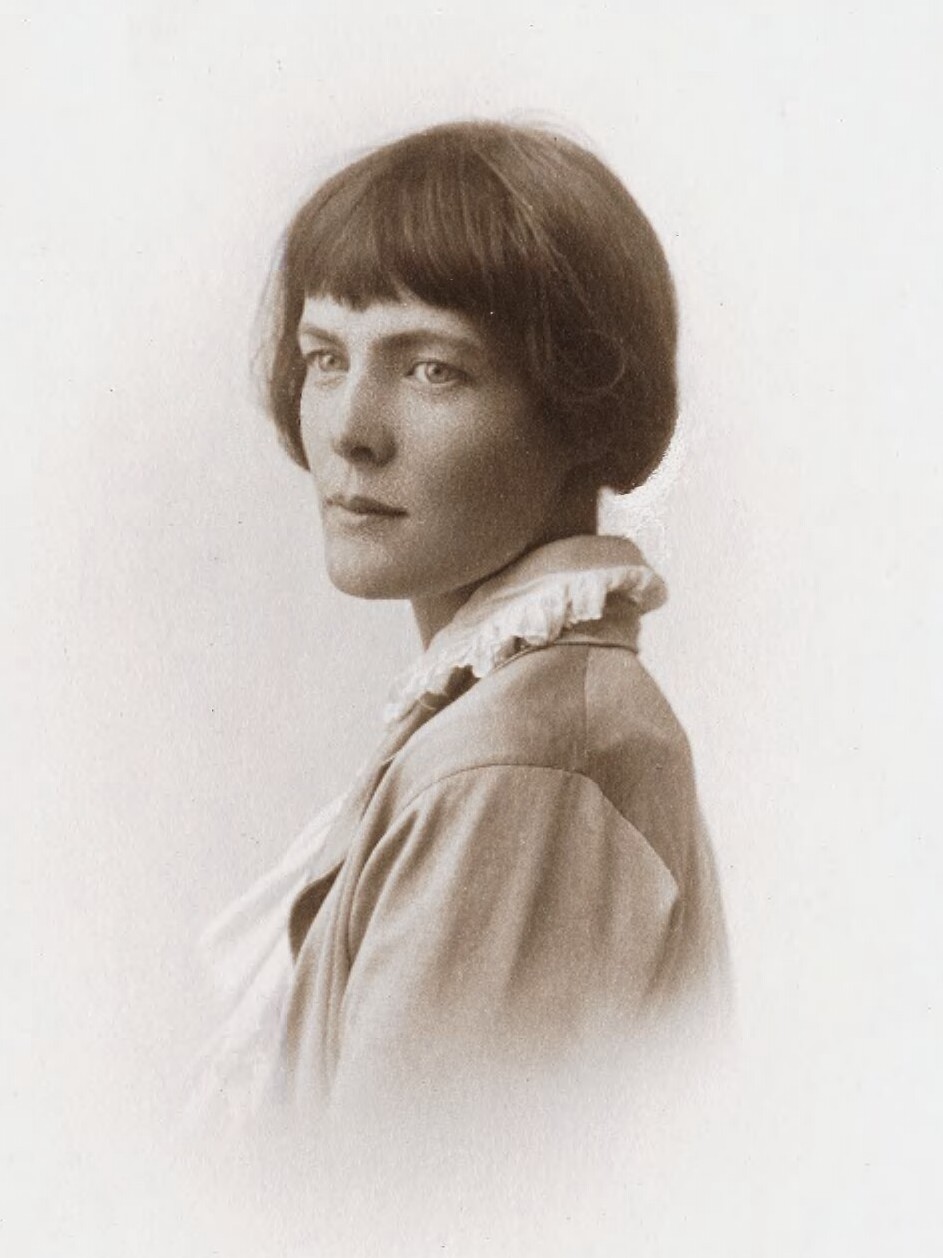
H. D., 1886-1961 – “The God” from Collected Poems 1912-1944


Discover more from Tim Miller

Subscribe to get the latest posts to your email.

Leave a Reply

This site uses Akismet to reduce spam. Learn how your comment data is processed.

#225 – The invention of the wheel, and the power of storytelling Human Voices Wake Us

An episode from 4/13/26: Tonight, I read about the invention of the wheel and what it meant for the earliest communities of Europe and the Eurasian steppes, from David Anthony’s The Horse, the Wheel, and Language.After this, a few passages from Norman Longmate’s How We Lived Then: A History of Everyday Life During the Second World War tells the story of gasoline rationing in England during the war, and the sometimes-comical lengths people went to hoard the fuel they could get a hold of.Finally, passages from S. Y. Agnon’s Days of Awe: A Treasury of Jewish Wisdom for Reflection, Repentance, and Renewal on the High Holy Days and Gershom Scholem’s Major Trends in Jewish Mysticism illustrate the power of language and storytelling in the Jewish tradition.The best way to support the podcast is by leaving a review on Apple or Spotify, sharing it with others, or sending me a note on what you think. You can also order any of my books: Time and the River: From Columbine to the Invention of Fire, Notes from the Grid, To the House of the Sun, The Lonely Young & the Lonely Old, and Bone Antler Stone. I've also edited a handful of books in the S4N Pocket Poems series. I also have a YouTube channel where I share poems and excerpts from these books, mostly as YouTube shorts.Email me at humanvoiceswakeus1@gmail.com.
  1. #225 – The invention of the wheel, and the power of storytelling
  2. #224: Let's talk about William Blake
  3. #223 – How to write two novels at the same time, with Charles Dickens
  4. #222: Seamus Heaney – 10 Essential Poems
  5. #221: Volcanoes, Plagues & the Childhood of a Kabbalist
  6. #220: The working poor and a so-so murder show
  7. #219: When a paragraph changes your life
  8. #218: Poetry to Live By
  9. #217: Voices from 1900-1914
  10. #216: Poets, Prophets, Seeresses & Goddesses from Time & the River

Discover more from Tim Miller

Subscribe now to keep reading and get access to the full archive.

Continue reading