Matthew 13

I know the ways of learning; both the head
And pipes that feed the press, and make it run;
What reason hath from nature borrowèd,
Or of itself, like a good huswife, spun
In laws and policy; what the stars conspire,
What willing nature speaks, what forc’d by fire;
Both th’old discoveries and the new-found seas,
The stock and surplus, cause and history;
All these stand open, or I have the keys:
Yet I love thee.

I know the ways of honour; what maintains
The quick returns of courtesy and wit;
In vies of favours whether party gains
When glory swells the heart and moldeth it
To all expressions both of hand and eye,
Which on the world a true-love-knot may tie,
And bear the bundle wheresoe’er it goes;
How many drams of spirit there must be
To sell my life unto my friends or foes:
Yet I love thee.

I know the ways of pleasure; the sweet strains
The lullings and the relishes of it;
The propositions of hot blood and brains;
What mirth and music mean; what love and wit
Have done these twenty hundred years and more;
I know the projects of unbridled store;
My stuff is flesh, not brass; my senses live,
And grumble oft that they have more in me
Than he that curbs them, being but one to five:
Yet I love thee.

I know all these and have them in my hand;
Therefore not seeled but with open eyes
I fly to thee, and fully understand
Both the main sale and the commodities;
And at what rate and price I have thy love,
With all the circumstances that may move.
Yet through the labyrinths, not my grovelling wit,
But thy silk twist let down from heav’n to me
Did both conduct and teach me how by it
To climb to thee.

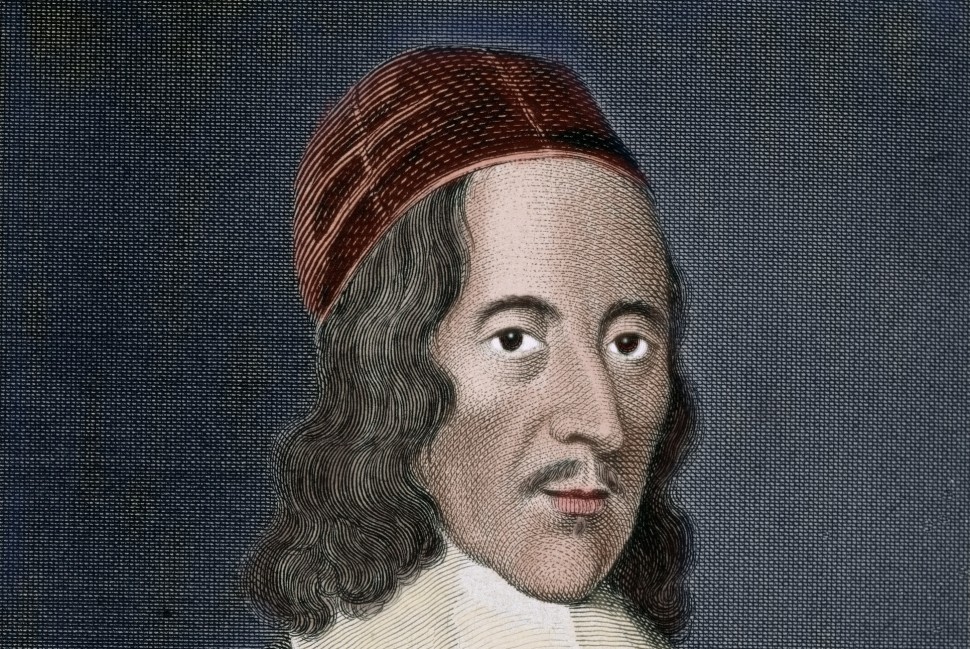
George Herbert, 1593-1633 – “The Pearl” from The Complete Poems


Discover more from Tim Miller

Subscribe to get the latest posts to your email.

One response

Leave a Reply

This site uses Akismet to reduce spam. Learn how your comment data is processed.

#225 – The invention of the wheel, and the power of storytelling Human Voices Wake Us

An episode from 4/13/26: Tonight, I read about the invention of the wheel and what it meant for the earliest communities of Europe and the Eurasian steppes, from David Anthony’s The Horse, the Wheel, and Language.After this, a few passages from Norman Longmate’s How We Lived Then: A History of Everyday Life During the Second World War tells the story of gasoline rationing in England during the war, and the sometimes-comical lengths people went to hoard the fuel they could get a hold of.Finally, passages from S. Y. Agnon’s Days of Awe: A Treasury of Jewish Wisdom for Reflection, Repentance, and Renewal on the High Holy Days and Gershom Scholem’s Major Trends in Jewish Mysticism illustrate the power of language and storytelling in the Jewish tradition.The best way to support the podcast is by leaving a review on Apple or Spotify, sharing it with others, or sending me a note on what you think. You can also order any of my books: Time and the River: From Columbine to the Invention of Fire, Notes from the Grid, To the House of the Sun, The Lonely Young & the Lonely Old, and Bone Antler Stone. I've also edited a handful of books in the S4N Pocket Poems series. I also have a YouTube channel where I share poems and excerpts from these books, mostly as YouTube shorts.Email me at humanvoiceswakeus1@gmail.com.
  1. #225 – The invention of the wheel, and the power of storytelling
  2. #224: Let's talk about William Blake
  3. #223 – How to write two novels at the same time, with Charles Dickens
  4. #222: Seamus Heaney – 10 Essential Poems
  5. #221: Volcanoes, Plagues & the Childhood of a Kabbalist
  6. #220: The working poor and a so-so murder show
  7. #219: When a paragraph changes your life
  8. #218: Poetry to Live By
  9. #217: Voices from 1900-1914
  10. #216: Poets, Prophets, Seeresses & Goddesses from Time & the River

Discover more from Tim Miller

Subscribe now to keep reading and get access to the full archive.

Continue reading