I walk among the rows of bowed heads –
the children are sleeping through fourth grade
so as to be ready for what is ahead,
the monumental boredom of junior high
and the rush forward tearing their wings
loose and turning their eyes forever inward.
These are the children of Flint, their fathers
work at the spark plug factory or truck
bottled water in 5 gallon sea-blue jugs
to the widows of the suburbs. You can see
already how their backs have thickened,
how their small hands, soiled by pig iron,
leap and stutter even in dreams. I would like
to sit down among them and read slowly
from The Book of Job until the windows
pale and the teacher rises out of a milky sea
of industrial scum, her gowns streaming
with light, her foolish words transformed
into song, I would like to arm each one
with a quiver of arrows so that they might
rush like wind there where no battle rages
shouting among the trumpets, Hal Ha!
How dear the gift of laughter in the face
of the 8 hour day, the cold winter mornings
without coffee and oranges, the long lines
of mothers in old coats waiting silently
where the gates have closed. Ten years ago
I went among these same children, just born,
in the bright ward of the Sacred Heart and leaned
down to hear their breaths delivered that day,
burning with joy. There was such wonder
in their sleep, such purpose in their eyes
dosed against autumn, in their damp heads
blurred with the hair of ponds, and not one
turned against me or the light, not one
said, I am sick, I am tired, I will go home,
not one complained or drifted alone,
unloved, on the hardest day of their lives.
Eleven years from now they will become
the men and women of Flint or Paradise,
the majors of a minor town, and I
will be gone into smoke or memory,
so I bow to them here and whisper
all I know, all I will never know.

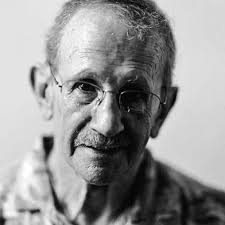
Philip Levine, 1928-2015 – “Among Children” from What Work Is


Discover more from Tim Miller

Subscribe to get the latest posts to your email.

Leave a Reply

This site uses Akismet to reduce spam. Learn how your comment data is processed.

#225 – The invention of the wheel, and the power of storytelling Human Voices Wake Us

An episode from 4/13/26: Tonight, I read about the invention of the wheel and what it meant for the earliest communities of Europe and the Eurasian steppes, from David Anthony’s The Horse, the Wheel, and Language.After this, a few passages from Norman Longmate’s How We Lived Then: A History of Everyday Life During the Second World War tells the story of gasoline rationing in England during the war, and the sometimes-comical lengths people went to hoard the fuel they could get a hold of.Finally, passages from S. Y. Agnon’s Days of Awe: A Treasury of Jewish Wisdom for Reflection, Repentance, and Renewal on the High Holy Days and Gershom Scholem’s Major Trends in Jewish Mysticism illustrate the power of language and storytelling in the Jewish tradition.The best way to support the podcast is by leaving a review on Apple or Spotify, sharing it with others, or sending me a note on what you think. You can also order any of my books: Time and the River: From Columbine to the Invention of Fire, Notes from the Grid, To the House of the Sun, The Lonely Young & the Lonely Old, and Bone Antler Stone. I've also edited a handful of books in the S4N Pocket Poems series. I also have a YouTube channel where I share poems and excerpts from these books, mostly as YouTube shorts.Email me at humanvoiceswakeus1@gmail.com.
  1. #225 – The invention of the wheel, and the power of storytelling
  2. #224: Let's talk about William Blake
  3. #223 – How to write two novels at the same time, with Charles Dickens
  4. #222: Seamus Heaney – 10 Essential Poems
  5. #221: Volcanoes, Plagues & the Childhood of a Kabbalist
  6. #220: The working poor and a so-so murder show
  7. #219: When a paragraph changes your life
  8. #218: Poetry to Live By
  9. #217: Voices from 1900-1914
  10. #216: Poets, Prophets, Seeresses & Goddesses from Time & the River

Discover more from Tim Miller

Subscribe now to keep reading and get access to the full archive.

Continue reading