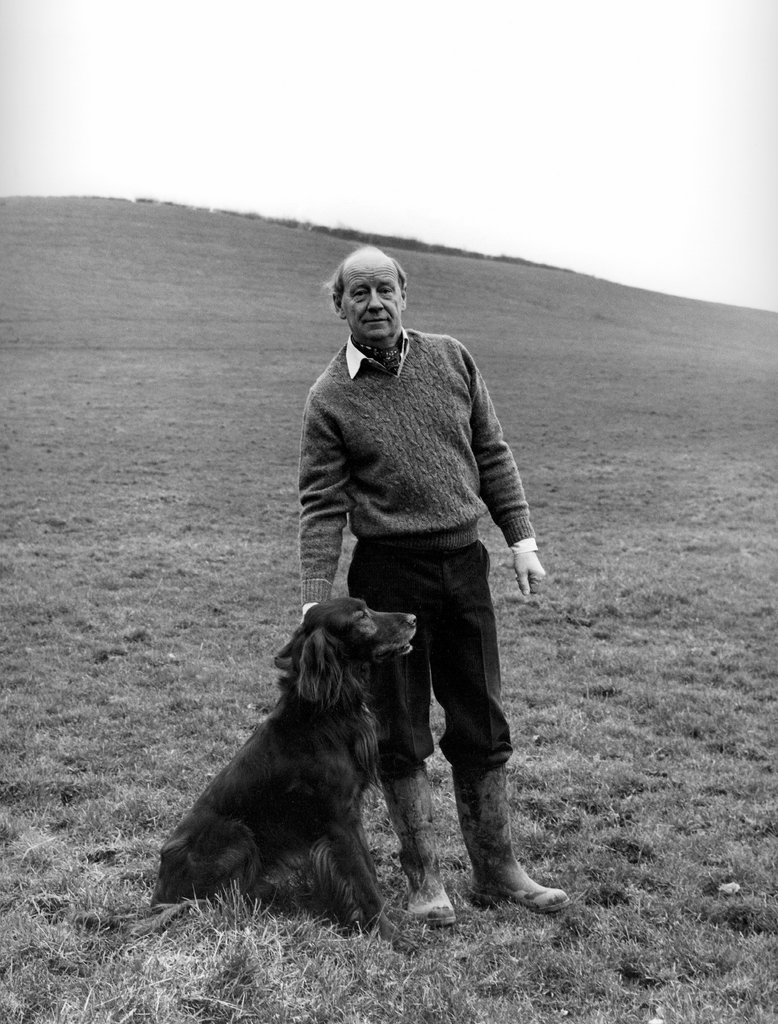
 Back when I used to do a lot of readings, I would start out by sharing somebody else’s work, and I realize that I should do the equivalent of that with the release of my book of stories, The Lonely Young & the Lonely Old. The person that comes to mind is the late William Trevor, whose Last Stories was published less than a month ago. Having died in November, he published more than a dozen collections of short stories during his lifetime, and I honestly don’t know anybody, even Shakespeare, who has given the world such a vast and varied collection of humanity. His stories, after all, were more about people than incident, and you will rarely find a more empathetic writer as Trevor.
Back in January of 2011, though, I’d never heard of him. But then I happened to find a review of his . The review ends: “The stories collected here also compose a quietly devastating argument for the beauty and power of the short story form as a tool for cutting to the quick of human desire and vulnerability.” I still remember exactly where I was when I heard this, and also my reaction. By then having spent almost ten years writing a very long poem, and feeling alienated from the writerly world that didn’t want to know about it, I was actually surprised to hear that literary authors would care so baldly and basically about simple humanity.
Even granting the fleeting fame of lots of hip writing, this was still a bit unfair; but it also put the thought in my mind: I could do that too. It had been years since I had written fiction, and I was ready for it again. Within a month, the first stories had arrived: “A Ram in the Thicket,” about a middle-aged widower conflicted about the homeless people that loiter around his work, and “The Lake,” about a couple who turn into swans on their morning commute. The rest of the stories came slowly over the next few years: seeing mothers and their daughters selling candy outside a grocery store brought on “Unburdened,” which follows one of those mothers through the store; the suicide of a family friend made me realize I needed to write the high school story, “Alone,” and confront my earliest experiences of depression; noticing how “the overbearing mother” is made a comic or annoying cliché in movies and TV gave me “I Become Breathless,” in my attempt to take such a woman seriously; my job at an insurance broker, amid cubicles and manners and rituals of interaction, gave me the lovesick young woman who narrates “Don’t Think I Don’t Know”; memories of moving away from home for the first time, and realizing I no more belonged in the new place than I did in the old, gave me the opening story, “Holy Dread”; and the weird state of the world in the summer of 2014, with planes falling out of the sky or getting lost, brought on the closing novella, “Bearing the Names of Many.” I put it best to a friend this week: “There’s no real formal or other sophistication here: these characters are mostly just open wounds, undramatic and sad people I’m daring the reader not to abandon just because there’s nothing hip or sexy about them.”
William Trevor was also astounding when it came to writing women, and I hope my stories narrated by women—“I Become Breathless,” “Unburdened” and “Don’t Think I Don’t Know”—are worthy of what (I hope) I’ve learned from women, and don’t merely seem like a guy putting on a bad mask.
I’ll end here as I would have begun a reading years ago: here is perhaps my favorite paragraph from Trevor, although this is from a novel, Love and Summer. In it, an Irish woman in the 1950s, who was powerless to refuse a marriage of convenience earlier in life, decides to stay with her husband despite a brief affair she just had. Here she is making the decision, and tell me if it doesn’t break your heart:
He didn’t want to eat, and nor did she. He went away and she heard the tractor again, before he drove it to the fields. In the silent kitchen it came coldly to her that the tragedy of the man who had taken her into his house was more awful by far than love’s denial. It came like clarity in confusion, there was a certainty: it was too late. And it came coldly, too, that the truth she yet might tell to draw the sting of his agony would cause more suffering than she could inflict, more than any man who had done no wrong deserved.


4 responses