#223 – How to write two novels at the same time, with Charles Dickens Human Voices Wake Us

An episode from 1/10/23: Tonight we take a peek into the creative life of Charles Dickens (1812-1870). Through a handful of readings from Claire Tomalin’s biography of Dickens, we see how he was able to juggle, for almost a year, the writing of two novels for simultaneous serial publication. Then, thanks to a letter written by Fyodor Dostoevsky, who visited Dickens in London in 1862, we also hear Dickens admitting that his villains were better reflections of himself than his more lovable and generous characters. We also answer the question: what do David Copperfield and Jane Eyre have in common? Finally, we hear about the chance encounter Dickens had with a young fan in America, who grew up to become a novelist herself.Note: these readings from the life of Dickens were originally the first part of a longer episode, hence the brief mention of the second part, no longer included, and the abrupt ending here. Listeners will forgive these frayed edges. The best way to support the podcast is by leaving a review on Apple or Spotify, sharing it with others, or sending me a note on what you think. You can also order any of my books: Time and the River: From Columbine to the Invention of Fire, Notes from the Grid, To the House of the Sun, The Lonely Young & the Lonely Old, and Bone Antler Stone. I've also edited a handful of books in the S4N Pocket Poems series. I also have a YouTube channel where I share poems and excerpts from these books, mostly as YouTube shorts. Email me at humanvoiceswakeus1@gmail.com.
  1. #223 – How to write two novels at the same time, with Charles Dickens
  2. #222: Seamus Heaney – 10 Essential Poems
  3. #221: Volcanoes, Plagues & the Childhood of a Kabbalist
  4. #220: The working poor and a so-so murder show
  5. #219: When a paragraph changes your life

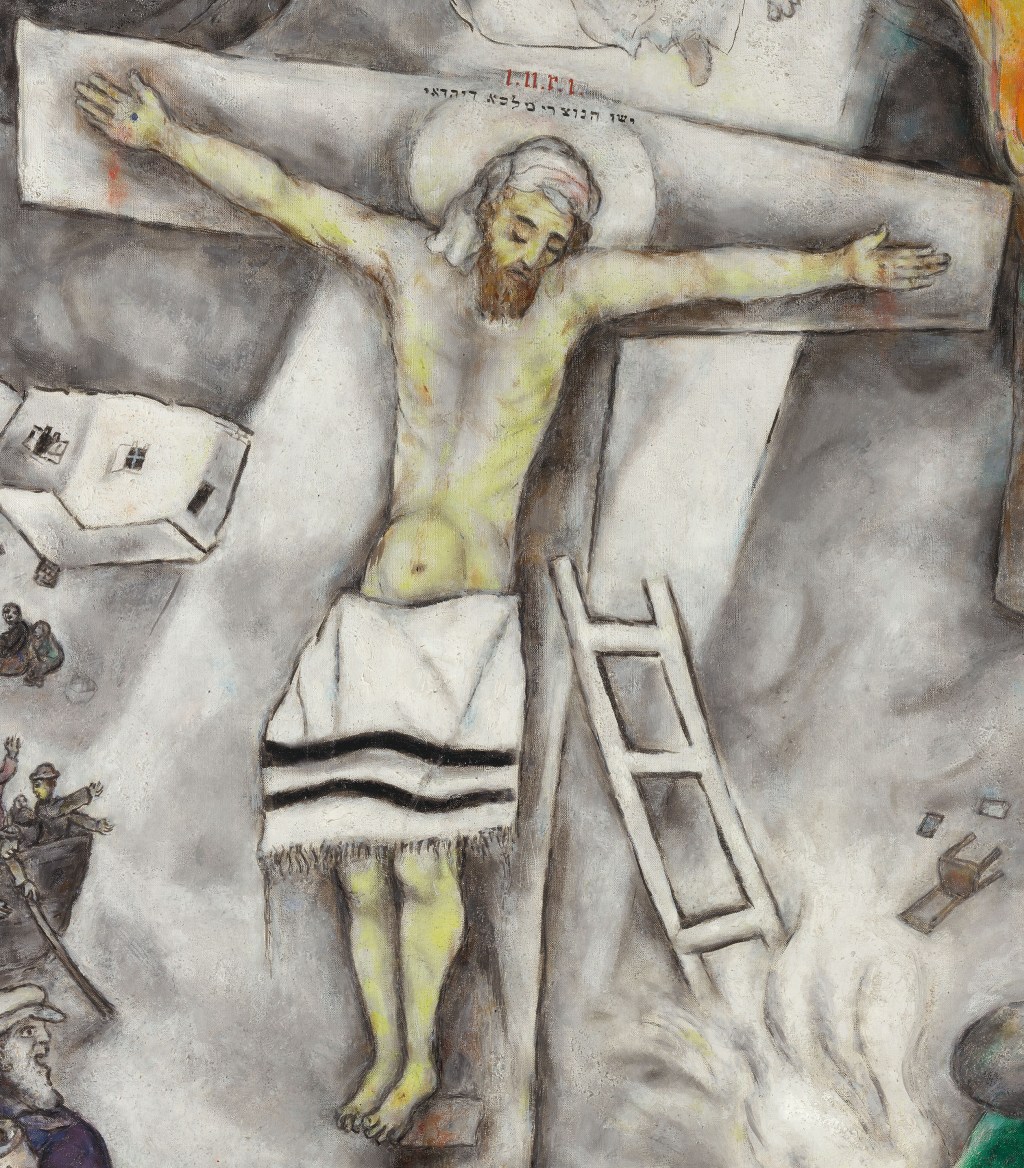
[Before the crucifixion] Jesus told us to form a circle and hold each other’s hands, and he himself stood in the middle, and said, “Respond to me with ‘Amen.’”

The Song

So he began by singing a hymn and declaring,

“Glory be to you, father.”

And we circled around him and responded to him,

“Amen.”

“Glory to you, word. Glory to you, grace.”

“Amen.”

“Glory to you, spirit. Glory to you, holy one. Glory to your glory.”

“Amen.”

“We praise you, father. We give thanks to you, light, in whom no darkness is.”

“Amen.”

“Why we give thanks, I declare:

I will be saved and I will save.”

“Amen.”

“I will be released and I will release.”

“Amen.”

“I will be wounded and I will wound.”

“Amen.”

“I will be born and I will bear.”

“Amen.”

“I will eat and I will be eaten.”

“Amen.”

“I will hear and I will be heard.”

“Amen.”

“I will be kept in mind, being all mind.”

“Amen.”

“I will be washed and I will wash.”

“Amen.”

Grace Dances

“I will play the flute. Dance, everyone.”

“Amen.”

“I will mourn. Lament, everyone.”

“Amen.”

“A realm of eight sings with us.”

“Amen.”

“The twelfth numbers dances on high.”

“Amen.”

“The whole universe takes part in dancing.”

“Amen.”

“Whoever does not dance does not know what happens.”

“Amen.”

“I will feel and I will stay.”

“Amen.”

“I will adorn and I will be adorned.”

“Amen.”

“I will be united and I will unite.”

“Amen.”

“I have no house and I have houses.”

“Amen.”

“I have no place and I have places.”

“Amen.”

“I have no temple and I have temples”

“Amen.”

“I am a lamp to you who see me.”

“Amen.”

“I am a mirror to you who perceive me.”

“Amen.”

“I am a door to you who knock on me.”

“Amen.”

“I am a way to you, you passerby.”

“Amen.”

Understanding the Song 

“If you respond to my dance, see yourself in me as I speak, and if you have seen what I do, keep silent about my mysteries. You who dance, understand what I do for yours is this human passion I am about to suffer. You could by no means have comprehended what you suffer unless I had been sent as the word to you by the father. You who have seen what I suffer have seen me as suffering, and when you have seen it, you have not stood firm but were completely moved. You were moved to become wise, and you have me for support. Rest in me. Who I am you will know when I depart. What now I am seen to be I am not. You will see when you come. If you knew how to suffer, you would have been able not to suffer. Learn about suffering, and you will be able not to suffer. What you do not know I myself shall teach you. I am your god, not the traitor’s. I want holy souls to be in harmony with me. Know the word of wisdom. Say again with me,

Glory to you, father.

Glory to you, word.

Glory to you, spirit.

Amen.

“If you want to know what I was, once I mocked everything with the word, and I was not put to shame at all. I leaped. But understand everything, and when you have understood, declare,

      Glory to you, father.

      Amen.”

– “The Round Dance of the Cross,” from the Acts of John, translated by Marvin Meyer; in The Gnostic Bible, 352-355.

See also: The Acts of John
Read the other Great Myths here


Discover more from Tim Miller

Subscribe to get the latest posts to your email.

#223 – How to write two novels at the same time, with Charles Dickens Human Voices Wake Us

An episode from 1/10/23: Tonight we take a peek into the creative life of Charles Dickens (1812-1870). Through a handful of readings from Claire Tomalin’s biography of Dickens, we see how he was able to juggle, for almost a year, the writing of two novels for simultaneous serial publication. Then, thanks to a letter written by Fyodor Dostoevsky, who visited Dickens in London in 1862, we also hear Dickens admitting that his villains were better reflections of himself than his more lovable and generous characters. We also answer the question: what do David Copperfield and Jane Eyre have in common? Finally, we hear about the chance encounter Dickens had with a young fan in America, who grew up to become a novelist herself.Note: these readings from the life of Dickens were originally the first part of a longer episode, hence the brief mention of the second part, no longer included, and the abrupt ending here. Listeners will forgive these frayed edges. The best way to support the podcast is by leaving a review on Apple or Spotify, sharing it with others, or sending me a note on what you think. You can also order any of my books: Time and the River: From Columbine to the Invention of Fire, Notes from the Grid, To the House of the Sun, The Lonely Young & the Lonely Old, and Bone Antler Stone. I've also edited a handful of books in the S4N Pocket Poems series. I also have a YouTube channel where I share poems and excerpts from these books, mostly as YouTube shorts. Email me at humanvoiceswakeus1@gmail.com.
  1. #223 – How to write two novels at the same time, with Charles Dickens
  2. #222: Seamus Heaney – 10 Essential Poems
  3. #221: Volcanoes, Plagues & the Childhood of a Kabbalist
  4. #220: The working poor and a so-so murder show
  5. #219: When a paragraph changes your life
  6. #218: Poetry to Live By
  7. #217: Voices from 1900-1914
  8. #216: Poets, Prophets, Seeresses & Goddesses from Time & the River
  9. #215: 8 Favorite Poems from "Time and the River"
  10. #214: Two of the Best Poems You've Never Heard of (by William Cullen Bryant)

Discover more from Tim Miller

Subscribe now to keep reading and get access to the full archive.

Continue reading