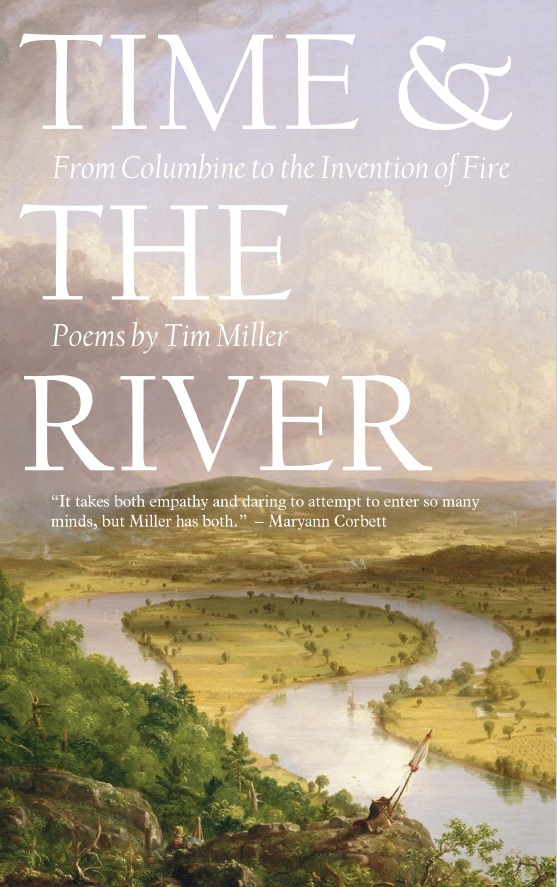
Time & the River: From Columbine to the Invention of Fire
COMING IN FEBRUARY, 2026
Click here for readings, videos, interviews, etc.
What lasts, and what endures? Through more than fifty poems, the first volume of Time and the River takes in war from ancient Nubia to the atomic bomb and Cold War spies, creativity from prehistoric Europe to Emily Dickinson and Albert Einstein, and the sacred from Israelite prophets, the gods and goddesses of old Europe, and Viking-age seers. Painters and writers, ancient Rome and Iron Age burials, Egyptian tombs and high school in America circa 1999 – all find a voice here.
Advance Praise:
“In narratives and persona poems, and in alliterative verse, free verse, and rhyme, in a range from deep prehistory to the almost-yesterday of Columbine, Miller has the chutzpah to explore the full humanity of humans ancient and modern, famous and infamous, legendary and daily-bread real. It takes both empathy and daring to attempt to enter so many minds, but Miller has both.” – Maryann Corbett
“In a world that forgets or else distorts its own history, we must rely on our poets to probe the sweeping historical currents and deep swells. Tim Miller is a poet unafraid of the task. In Time & the River: Poems from History, his poetry collection takes us from “Dylan Klebold’s Crush,” in 1999, to the discovery of fire, about 1.8 million years ago. In ‘Merlin, ‘ the wizard tells us: ‘The essence of magic is wandering, /not altering history or circumstance/but sliding to the other side of both.’ This is what Miller does so well here, telling stories not to alter history or circumstance, but to deepen into the experience of human history and its effects on us.” – John Bradley, author of As Blood Is the Fruit of the Heart: A Book of Spells
“Tim Miller’s book of historical poems takes us back in time – beginning with the gunfire of near-contemporary America, and walking us backward to the invention of fire itself. Along the way, he finds ‘a face and a mask for every encounter, ‘ inhabiting figures from far-flung times and places, a mystical empathy and resonance with the dead. In many ways, this is poetry as ancestor-worship, ‘surrounded by the drugs of deep history.’ The poet’s filial piety embraces all the peoples of the past, creating a book that both preserves and transfigures the past through language – ‘none of it new but all of it remade.’” – Amit Majmudar, author of Three Metamorphoses
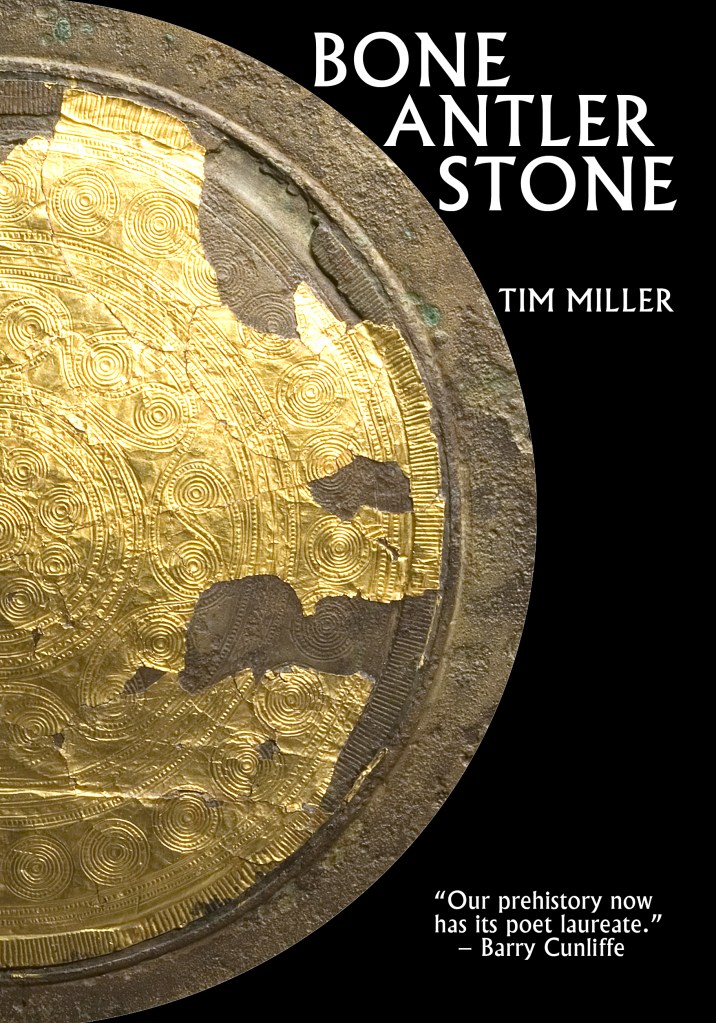
Bone Antler Stone (poetry)
Order from Amazon (currently 70% off at Amazon)
Passing through more than thirty thousand years of history, the changing spiritual and material lives of the earliest Europeans are vividly imagined in more than sixty poems through their artwork, burials, and architecture, and their interaction with the landscape, the seasons, and one another.
“Our prehistory now has its poet laureate.” – Barry Cunliffe, Professor of European Archaeology, University of Oxford
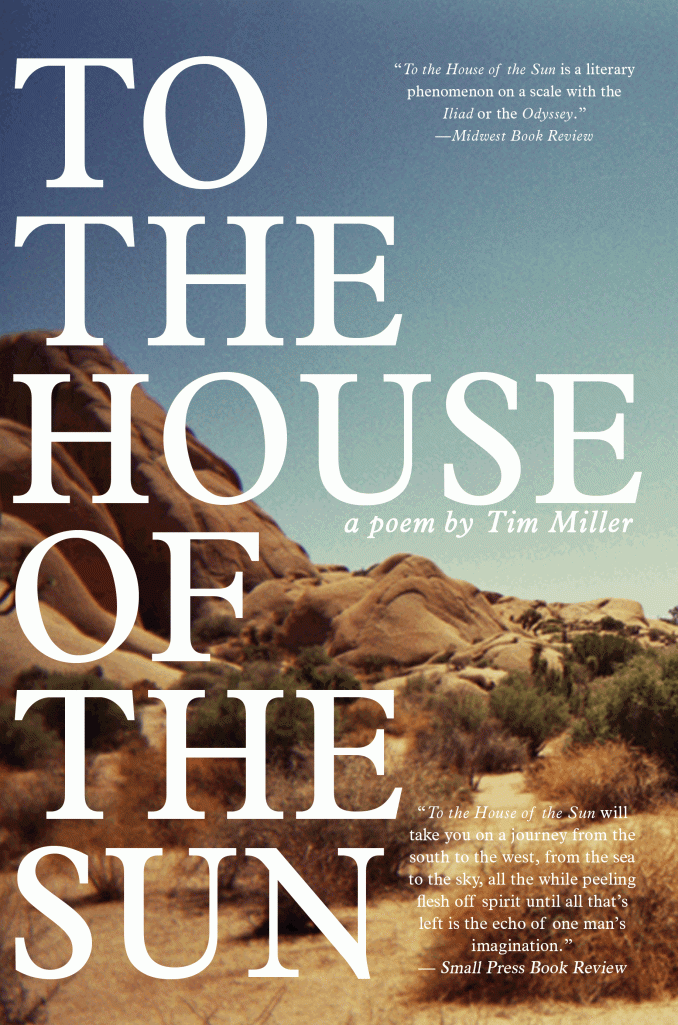
To the House of the Sun (poetry)
To the House of the Sun, an epic poem in thirty-three books, is a panorama of America during the Civil War as experienced by an Irish immigrant: from Georgia through the Deep South, he meets escaped and freed slaves, and soldiers from the recent battles. In the North, he befriends a weary Walt Whitman before briefly joining the Union Army. After this, he walks West and becomes a kind of religious figure wandering, healing, and even raising the dead.
“To The House of the Sun is a literary phenomenon on a scale with the Iliad or the Odyssey.” – Midwest Book Review

Notes from the Grid (essays)
What if we rediscovered our own privacy, our own hidden life? What if we accepted our own complexity? What if we found ways to live in a difficult and uncertain world, instead of being overwhelmed by its imperfections?
First begun in 2006, Notes from the Grid has been following behind its author ever since, and has emerged as a kind of Tao Te Ching for our times.
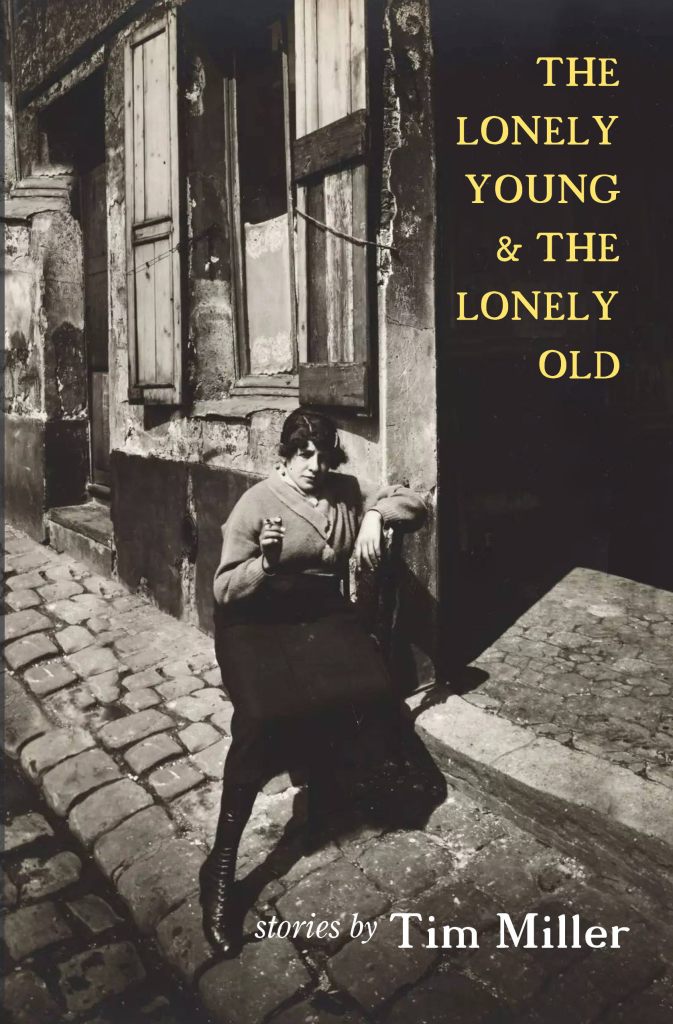
The Lonely Young & the Lonely Old (short stories)
The Lonely Young & the Lonely Old is a collection of quiet and brutal jewels. Told in the words of an unnamed narrator, each story gives voice to the easily dismissed: the lonely high school student, the elderly widower, the pining woman in her twenties, and the worn-down mother in her mid-thirties, and many others. Each speaks from the center of an almost paralyzed intensity, desperately searching for articulation and belonging.
Hymns & Lamentations (prayer)
Hymns and Lamentations is a meditation on the realities of deep faith and great suffering. It takes its place in the long tradition of religious literature where a personal relationship with the divine is embraced and swum through, while the equally great reality of suffering and injustice questions the very nature of belief and of God. In Hymns and Lamentations, ecstasy and anguish answer one another.
email me at humanvoiceswakeus1@gmail.com

#212: The Most Popular Story in Ancient India – Human Voices Wake Us
Where my work has appeared recently:
World War Two History, Fall 2025: Essay: “Paris Under the Swastika,” on the many shades of collaborationist activity
Pittsburgh Jewish Chronicle: Essay: “Thinking About Divine Inspiration“
Pittsburgh Jewish Chronicle: Essays on the Jewish holidays: Hanukkah (another on its origins), Purim, Passover, Shavuot, Tisha B’Av, Rosh Hashanah, Yom Kippur, Sukkot, Simchat Torah
The Basilisk Tree: Story: “The One Who Sang So Well” (podcast version here)
Pittsburgh Jewish Chronicle: Essay: “Exile in every generation: On Jewish loneliness and longing“
Forgotten Ground Regained: 2 poems from The Great Year: Ymir and Winter
The High Window: Review of The Letters of Seamus Heaney
Ancient History #52: Essay: “The Chariot of the Sun” (on the Trundholm Sun Chariot)
Medieval World Culture & Conflict #14: Review of Alexandra Cuffel’s Shared Saints & Festivals Among Jews, Christians, and Muslims in the Medieval Mediterranean
Pittsburgh Jewish Chronicle: Essay: The Wisdom of What We’re Already Doing
Pittsburgh Jewish Chronicle: Poem: War Song (from The Great Year)
Pittsburgh Post-Gazette: Essay: “America’s environmental poet first met nature here” (on Robinson Jeffers and his Pittsburgh origins)
Medieval World Culture & Conflict #13: Essay: “Our Hearts Melted & Turned to Water: The Expulsion of the Jews from Spain“
Medieval World Culture & Conflict #13: Review of Ophira Gamliel’s Judaism in South India, 849-1489
Ritualwell: 3 poems from The Great Year: Miriam, The Water Waited, Ezekiel
Medieval World Culture & Conflict #12: Essay: “The Original Wizard: Merlin in Legend & Literature”
Medieval World Culture & Conflict #12: Review of Darlene L. Brooks Hedstrom’s Desert Ascetics of Egypt
Author spotlight at Karwansaray, publishers of Medieval World Culture & Conflict and Ancient History
Medieval World Culture & Conflict #11: Review of Tom Shippey’s Beowulf & the North Before the Vikings
The Basilisk Tree: 1 poem: Merlin
Medieval World Culture & Conflict #10: Review of Andrew Scheil’s study, Beowulf: A Poem
Medieval World Culture & Conflict #9: Essay: “When Translations Were King: How the Gift of a Greek Manuscript Changed Medieval Spain” (A supplement to the essay, with a further history of the Greek medical text in question, is here)
Ancient History #45: Essay: The Woman of Vix (on the Celtic Iron Age burial at Vix)
The Basilisk Tree: 1 poem: Shakespeare (podcast version here)
The Basilisk Tree: 1 poem: Pythagoras (podcast version here)
The Basilisk Tree: Interviewed by Bryan Helton
Ancient History #43: Essay: Putting Osiris to Bed (on “Germinating Osiris” bricks)
The Basilisk Tree: 1 poem: Leonardo (podcast version here)
Amethyst: 1 poem: Viśvakarmān
Medieval World Culture & Conflict #4: Essay: “Living on the Edge: The Life of Gudrid Thorbjarnardóttir”
Amethyst: 1 poem: “Jacob”
Jewish Journal: 2 Essays: The Leaky Boat, Walking with God in the World
Jewish Journal: 6 poems: A Ploughed Field, Train, Moses, Bezalel, Abraham’s Father, The Water Waited
The Journal #61: 2 poems from the plague of 1666: The Harvest of 1665, Rich Houses
Londongrip: 1 poem: Caedmon Comes to Singing
Crossways: 1 poem from School of Night: Mr Cassian’s 120th Dream
Amethyst: 2 poems from School of Night: Mr Cassian’s 51st Dream, Mr Cassian’s 54th Dream
Jewish Literary Journal: 1 poem from School of Night: Mr Cassian’s Good Friend, Albert Einstein
Southword #37: 3 poems from School of Night: Mr Cassian, Heavy Judger of Men, Mr Cassian’s Beeping Garage, Mr Cassian Gets Self-Conscious
Isacoustic: 7 poems from School of Night: Mr Cassian’s 105th Dream, Mr Cassian’s 156th Dream, Mr Cassian’s 159th Dream, Mr Cassian Shares the Park with Other Parents, Mr Cassian’s Snotty Eyes, Mr Cassian Flees the Scene of an Accident, Mr Cassian’s Good Friend, the Roman Soldier
Cutthroat #24: 1 story from School of Night: The Frog (nominated for a Pushcart Prize)
Bold+Italic: 1 story from School of Night: Isis in Old Age
4 Poems from Columbine: The Mother, The Mother at the Salon, The Two of Them, Infatuation
WWII History, April 2019: essay: The Vermehren Betrayal
Renaissance Magazine #120: essay: Monks & Vikings at the Edge of the World
Military Heritage, March 2019: essay: The Battle of Pydna, 168 BC
90.5 WESA: Interview with NPR on Bone Antler Stone
WWII Quarterly, Winter 2019: essay: When the Blitz Came to Bath
Renaissance Magazine #118: essay: The Black Death Comes to Bohemia
The Wisdom Daily: essay: The Loneliness of Isidore of Seville
Voices Behind the Words: interview
Military Heritage, July 2018: essay: The Roman Siege of Jerusalem
WWII History, June 2018: essay: Henry Kissinger’s World War Two
Amethyst: essay: Risking the Sacred
Seattle Book Review: essay: Generous Chance Encounters in Publishing
The Big Windows Review: 1 poem: The Seeress of Vix *Nominated for a Pushcart Prize and Best of the Net Award
Amethyst: 2 poems: Esus, Sucellus
Orbis: 2 poems: New Families Arrive in Britain, Bronze Offerings in the Water
Cider Press Review: 1 poem: Old Man’s Shed
Isacoustic: 3 poems: The Brough of Birsay, St. Magnus Cathedral, When I High, When I Saw the Deep
The High Window: 6 poems: Painted Stags Clermont-Ferrand, The Sun Sets into the Sea, Axes, A Song to Stone, Song of Trees, The Seafarer
WWII History, December 2017: essay: The Scholarly Spies of the French Resistance
Military Heritage, November 2017: essay: The Battle of Crecy
Crannóg: 1 poem: Cauldron & Drink
Cumberland River Review: 2 burial poems: Oleneostrovskii Mogilnik Cemetery, Skateholm Cemetery *Nominated for a Best of the Net Award
Underfoot Poetry: 6 bog poems: Last Meal, Haraldskaer Woman, Tollund Man, Kayhausen Boy, Damendorf Man, Grauballe Man, Lindow Man
Poethead: 4 goddess poems: Song to Sequana, Song to Sulis, Song to Nehalennia, Looking for Nerthus
Cider Press Review: 1 poem: Missing Child
The Journal (Wales): 3 burial poems: Long Barrows, Tormarton Ditch, To the Air
The Basil O’Flaherty: 4 poems: Unfinished Michelangelo, Kafka’s Sister, The Painted Caves: Chauvet, Lascaux, Altamira, A Disciple of Pythagoras Wins a Chariot Race
Albatross: 2 poems: Migrations at the End of the Ice Age, Ring of Brodgar
Concho River Review, fall 2016: 1 poem: Neighborhood
Londongrip: 2 burial poems: Near Copenhagen, The Amesbury Archer
Military Heritage: Constantine the Great & the Battle of the Milvian Bridge
The High Window: 3 poems: Star Carr, Fire Houses, Pytheas in the Shetlands
World War Two History: essay: Exhausted Caravan, the 1940 Exodus from Paris
Poethead: 6 poems: Robert Oppenheimer, Horses from Orkney, Daedalus & Icarus, Skara Brae, Bone Antler Stone (Orkney Museum), Cuween Chambered Cairn
Pittsburgh Post-Gazette: 1 poem: Winter Crash
Military Heritage, May 2016: Alexander the Great & the Battle of the Granicus
Living Orkney, May 2016: essay: A Tourist in the Heart of Orkney
Concho River Review, fall 2014: essay: Blindness, War & History
Meat for Tea, March 2014: story: Adult Conversation
Bitter Oleander, vol. 20 #1: story: Flew Away for Number Three

