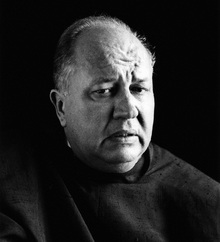
An episode from 10/8/24: Tonight, four years to the day after starting this podcast, I end it with a reading of Theodore Roethke’s (1908-1963) long poem, “The Rose.” I also reread the poem I shared in the very first episode, Louise Glück’s (1943-2023) “Messengers.”

Many thanks to my listeners over the past four years. You can continue find my books, notices about new publications, and daily poems from Old English till now, over at wordandsilence.com. You can always reach me at humanvoiceswakeus1@gmail.com.


Discover more from Tim Miller

Subscribe to get the latest posts to your email.

4 responses

  1. I love this podcast so much! Thank you Tim! Now I can go visit the archives and see what I missed (HINT: NORSE AND CELTIC MYTHOLOGY)

    Can’t wait to see what you do next…

    Liked by 1 person

  2. Goodbye Tim. It has been a lovely journey listening to you. If you start another podcast or some other form of public engagement, I look forward to it regardless of what it is about. With you it has often been a discovery of things I didn’t know I was interested in yet.

    Liked by 1 person

  3. Thank you for the good words. I’d be interested to hear which episodes you liked the most. …in the meantime, there might be another book coming out soon. Thank you for listening!

    Like

  4. Maybe there shd just be a 20-40 episode series only on the Great Myths? I hope you had to good bday Tom. Thanks for finding the podcast & being so enthusiastic for it.

    Like

Leave a Reply

This site uses Akismet to reduce spam. Learn how your comment data is processed.

#225 – The invention of the wheel, and the power of storytelling Human Voices Wake Us

An episode from 4/13/26: Tonight, I read about the invention of the wheel and what it meant for the earliest communities of Europe and the Eurasian steppes, from David Anthony’s The Horse, the Wheel, and Language.After this, a few passages from Norman Longmate’s How We Lived Then: A History of Everyday Life During the Second World War tells the story of gasoline rationing in England during the war, and the sometimes-comical lengths people went to hoard the fuel they could get a hold of.Finally, passages from S. Y. Agnon’s Days of Awe: A Treasury of Jewish Wisdom for Reflection, Repentance, and Renewal on the High Holy Days and Gershom Scholem’s Major Trends in Jewish Mysticism illustrate the power of language and storytelling in the Jewish tradition.The best way to support the podcast is by leaving a review on Apple or Spotify, sharing it with others, or sending me a note on what you think. You can also order any of my books: Time and the River: From Columbine to the Invention of Fire, Notes from the Grid, To the House of the Sun, The Lonely Young & the Lonely Old, and Bone Antler Stone. I've also edited a handful of books in the S4N Pocket Poems series. I also have a YouTube channel where I share poems and excerpts from these books, mostly as YouTube shorts.Email me at humanvoiceswakeus1@gmail.com.
  1. #225 – The invention of the wheel, and the power of storytelling
  2. #224: Let's talk about William Blake
  3. #223 – How to write two novels at the same time, with Charles Dickens
  4. #222: Seamus Heaney – 10 Essential Poems
  5. #221: Volcanoes, Plagues & the Childhood of a Kabbalist
  6. #220: The working poor and a so-so murder show
  7. #219: When a paragraph changes your life
  8. #218: Poetry to Live By
  9. #217: Voices from 1900-1914
  10. #216: Poets, Prophets, Seeresses & Goddesses from Time & the River

Discover more from Tim Miller

Subscribe now to keep reading and get access to the full archive.

Continue reading