Dulce et Decorum Est
Bent double, like old beggars under sacks,
Knock-kneed, coughing like hags, we cursed through sludge,
Till on the haunting flares we turned our backs,
And towards our distant rest began to trudge.
Men marched asleep. Many had lost their boots,
But limped on, blood-shod. All went lame; all blind;
Drunk with fatigue; deaf even to the hoots
Of gas-shells dropping softly behind.

Gas! GAS! Quick, boys! – An ecstasy of fumbling
Fitting the clumsy helmets just in time,
But someone still was yelling out and stumbling
And flound’ring like a man in fire or lime…
Dim through the misty panes and thick green light,
As under a green sea, I saw him drowning.

In all my dreams before my helpless sight,
He plunges at me, guttering, choking, drowning.

If in some smothering dreams, you too could pace
Behind the wagon that we flung him in,
And watch the white eyes writhing in his face,
His hanging face, like a devil’s sick of sin;
If you could hear, at every jolt, the blood
Come gargling from the froth-corrupted lungs,
Obscene as cancer, bitter as the cud
Of vile, incurable sores on innocent tongues, –
My friend, you would not tell with such high zest
To children ardent for some desperate glory,
The old Lie: Dulce et decorum est
Pro patria mori.


Futility
Move him into the sun –
Gently its touch awoke him once,
At home, whispering of fields half-sown.
Always it woke him, even in France,
Until this morning and this snow.
If anything might rouse him now
The kind old sun will know.

Think how it wakes the seeds –
Woke once the clays of a cold star.
Are limbs, so dear-achieved, are sides
Full-nerved, still warm, too hard to stir?
Was it for this the clay grew tall?
– O what made fatuous sunbeams toil
To break earth’s sleep at all?

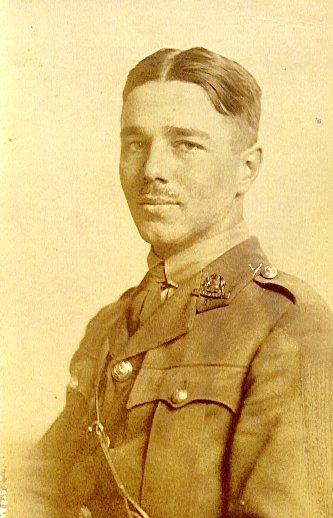
Wilfred Owen, 1893-1918 – both poems from Collected Poems


Discover more from Tim Miller

Subscribe to get the latest posts to your email.

One response

Leave a Reply

This site uses Akismet to reduce spam. Learn how your comment data is processed.

#217: Voices from 1900-1914 Human Voices Wake Us

An episode from 1/2/23: Tonight, I read a handful of voices from those living in Europe and the United States between 1900 and 1914. Rephrased only slightly, nearly all of their concerns (over technology, gender, nationalism, war, eugenics) feel like they could appear in the news or on the street today. Then and now, what is actually going on alongside all the dread? What can we learn from these voices that sound so much like our own, and what will people look back on 2023 learn for themselves?Each of these quotations can be found in Philipp Blom’s wonderful book, The Vertigo Years.The best way to support the podcast is by leaving a review on Apple or Spotify, sharing it with others, or sending me a note on what you think. You can also order any of my books: Time and the River: From Columbine to the Invention of Fire, due out next year, is now available for preorder. Other books include Notes from the Grid, To the House of the Sun, The Lonely Young & the Lonely Old, and Bone Antler Stone. I've also edited a handful of books in the S4N Pocket Poems series. I also have a YouTube channel where I share poems and excerpts from these books, mostly as YouTube shorts.Email me at humanvoiceswakeus1@gmail.com.
  1. #217: Voices from 1900-1914
  2. #216: Poets, Prophets, Seeresses & Goddesses from Time & the River
  3. #215: 8 Favorite Poems from "Time and the River"
  4. #214: Two of the Best Poems You've Never Heard of (by William Cullen Bryant)
  5. #213: Van Gogh's Early Years
  6. #212: The Most Popular Story in Ancient India
  7. #211: Who Was William Cullen Bryant?
  8. #210: Memories & Legends of William Shakespeare
  9. #209 – Being a Jew in 1900, Being a Jew Now
  10. #208: Bach & God

Discover more from Tim Miller

Subscribe now to keep reading and get access to the full archive.

Continue reading