Now is the time for the burning of the leaves.
They go to the fire; the nostril pricks with smoke
Wandering slowly into a weeping mist.
Brittle and blotched, ragged and rotten sheaves!
A flame seizes the smouldering ruin and bites
On stubborn stalks that crackle as they resist.

The last hollyhock’s fallen tower is dust;
All the spices of June are a bitter reek,
All the extravagant riches spent and mean.
All burns! The reddest rose is a ghost;
Sparks whirl up, to expire in the mist: the wild
Fingers of fire are making corruption clean.

Now is the time for stripping the spirit bare,
Time for the burning of days ended and done,
Idle solace of things that have gone before:
Rootless hopes and fruitless desire are there;
Let them go to the fire, with never a look behind.
The world that was ours is a world that is ours no more.

They will come again, the leaf and the flower, to arise
From squalor of rottenness into the old splendour,
And magical scents to a wondering memory bring;
The same glory, to shine upon different eyes.
Earth cares for her own ruins, naught for ours.
Nothing is certain, only the certain spring.

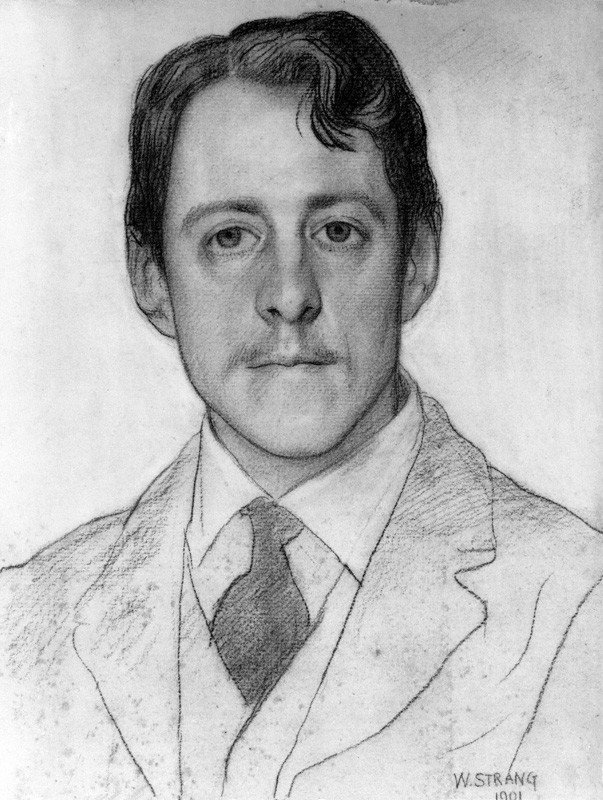
Laurence Binyon, 1869-1943 – “The Burning of the Leaves” from The Burning of the Leaves & Other Poems

Discover more from Tim Miller

Subscribe to get the latest posts to your email.

One response

  1. […] passage can be found here. I also read a quote from the poet Derek Walcott, and part of the poem “The Burning of the Leaves,” by Laurence […]

    Like

Leave a Reply

This site uses Akismet to reduce spam. Learn how your comment data is processed.

#217: Voices from 1900-1914 Human Voices Wake Us

An episode from 1/2/23: Tonight, I read a handful of voices from those living in Europe and the United States between 1900 and 1914. Rephrased only slightly, nearly all of their concerns (over technology, gender, nationalism, war, eugenics) feel like they could appear in the news or on the street today. Then and now, what is actually going on alongside all the dread? What can we learn from these voices that sound so much like our own, and what will people look back on 2023 learn for themselves?Each of these quotations can be found in Philipp Blom’s wonderful book, The Vertigo Years.The best way to support the podcast is by leaving a review on Apple or Spotify, sharing it with others, or sending me a note on what you think. You can also order any of my books: Time and the River: From Columbine to the Invention of Fire, due out next year, is now available for preorder. Other books include Notes from the Grid, To the House of the Sun, The Lonely Young & the Lonely Old, and Bone Antler Stone. I've also edited a handful of books in the S4N Pocket Poems series. I also have a YouTube channel where I share poems and excerpts from these books, mostly as YouTube shorts.Email me at humanvoiceswakeus1@gmail.com.
  1. #217: Voices from 1900-1914
  2. #216: Poets, Prophets, Seeresses & Goddesses from Time & the River
  3. #215: 8 Favorite Poems from "Time and the River"
  4. #214: Two of the Best Poems You've Never Heard of (by William Cullen Bryant)
  5. #213: Van Gogh's Early Years
  6. #212: The Most Popular Story in Ancient India
  7. #211: Who Was William Cullen Bryant?
  8. #210: Memories & Legends of William Shakespeare
  9. #209 – Being a Jew in 1900, Being a Jew Now
  10. #208: Bach & God

Discover more from Tim Miller

Subscribe now to keep reading and get access to the full archive.

Continue reading