An episode from 1/10/23: Tonight, we hear from two great writers of fiction, Charles Dickens and Alice Munro.

Through a handful of readings from Claire Tomalin’s Charles Dickens: A Life, we see how Dickens (1812-1870) was able to juggle, for almost a year, the writing of two novels simultaneously, both for serial publication. Thanks to a letter written by Fyodor Dostoevsky, who visited Dickens in London in 1862, we also hear Dickens speaking privately in a way that he rarely did publicly, admitting that his villains were better reflections of himself than his more lovable and generous characters. We also answer the question: what do David Copperfield and Jane Eyre have in common?

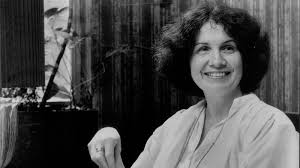
From the introduction to her Selected Stories, Alice Munro (born in 1931, and winner of the 2013 Nobel Prize) describes how, as a homemaker, she came to writing short stories very nearly by necessity. She also discusses how she set her first attempts at fiction in faraway, historical, or Brontë-inspired surroundings, and only later came to see the artistic potential of her own backyard, in the Lake Huron region of Canada.

You can support Human Voices Wake Us here, or by ordering any of my books: Notes from the Grid, To the House of the Sun, The Lonely Young & the Lonely Old, and Bone Antler Stone.

Email me at humanvoiceswakeus1@gmail.com.

Discover more from Tim Miller

Subscribe to get the latest posts to your email.

Leave a Reply

This site uses Akismet to reduce spam. Learn how your comment data is processed.

#221: Volcanoes, Plagues & the Childhood of a Kabbalist Human Voices Wake Us

An episode from 3/16/26: Tonight, I read about the eruption of the volcano Krakatoa in the year 535 CE, and the outbreak of plague in Constantinople (and elsewhere) only a few years later. It all comes from Susan Wise Bauer’s The History of the Medieval World: From the Conversion of Constantine to the First Crusade, and I give a handful of reasons why her histories for adults and children are definitely worth going to.Bookending these stories are a few passages in Gershom Scholem’s (1887-1982) memoir, From Berlin to Jerusalem: Memoirs of My Youth. It turns out that the great kabbalist liked sweets, and riding around on roller-skates.The best way to support the podcast is by leaving a review on Apple or Spotify, sharing it with others, or sending me a note on what you think. You can also order any of my books: Time and the River: From Columbine to the Invention of Fire, Notes from the Grid, To the House of the Sun, The Lonely Young & the Lonely Old, and Bone Antler Stone. I've also edited a handful of books in the S4N Pocket Poems series. I also have a YouTube channel where I share poems and excerpts from these books, mostly as YouTube shorts. Email me at humanvoiceswakeus1@gmail.com.
  1. #221: Volcanoes, Plagues & the Childhood of a Kabbalist
  2. #220: The working poor and a so-so murder show
  3. #219: When a paragraph changes your life
  4. #218: Poetry to Live By
  5. #217: Voices from 1900-1914
  6. #216: Poets, Prophets, Seeresses & Goddesses from Time & the River
  7. #215: 8 Favorite Poems from "Time and the River"
  8. #214: Two of the Best Poems You've Never Heard of (by William Cullen Bryant)
  9. #213: Van Gogh's Early Years
  10. #212: The Most Popular Story in Ancient India

Discover more from Tim Miller

Subscribe now to keep reading and get access to the full archive.

Continue reading