I have come here
From Chicago, packing
A sleeping bag, a pan
To melt snow for drinking,
Dried apricots, tea,
A great boiled beef-heart.
Two loggers drove me
As far in as they could get,
Two gunnysack loggers of the Burn,
Owning a truck and a dozer, a few cables
And saws, who drag out
The sound heartwood for money.
They said there’d
Been a prospector here a year ago,
Hunting uranium or gold,
They would run across him,
A little, swaying heap of gear,
With a Geiger counter
Lashed on like an extra heart,
They said they would find him
Mumbling about metal while
Thrashing up some avalanching gravel.
Around January he was ready
To settle for anything at all.
When spring came he vanished.
I set out walking,
Up to my ankles in gravel,
Grappling at roots and rocks.
At last I was climbing up
On my hands and knees
As though I’d come here begging.
From the top of Cedar Butte
The whole compass is visible,
To the west the Pacific
Lying out flat and shiny,
North and east, hill
After hill of white snags.
To the south, white stumps, white logs,
Washing to the valleys, bleeding scarps,
Lopped spurs, empty streambeds.
The land, split and cracked
Under the crisscross of logging roads,
Oozing down its ravines.
It is twenty-five years
Since the first blue-white puff was sighted.
Convicts have planted saplings
By the coast, schoolboys
Have planted by the highway,
So far little catches.
To the north, on the hills
Loggers can’t reach,
Great virgin stands of snags
Burnt clean and bleached
In the distance keeping on
Blurring to look like smoke.
Big, immaculate snowflakes
Have been coming down, melting
On touching. All night,
As I lay trying for sleep,
Listened to Kilchis
River grinding its rocks and boulders.
The ravine is a mass of slash slippery
With rain and snow. Tree
Trunks cross and lock each other
Blocking the water,
Intricately grained
Rims for the little waterfalls.
A mule deer joined me,
Leading like a scout,
When I turned off and climbed
He stopped too, and sadly – I found myself
Sadly thinking – watched my going.
Birds wrangled and chirped.
I was sitting under
The last knoll,
Gnawing the last of the heart,
Looking back at the Burn
As it went out in the twilight,
Its crags broken, its valleys
Soaked in night, another
Plundered breast of the world.
I scrambled to my feet
And climbed, I could hear my heart
Beating in the air around me,
And came over the last summit
Into a dark wind blasting
Out of the blackness.
Behind me snow was still falling.
Before me the Pacific
Fell with long triple crashes on the shore.
It was only steps to the unburnable sea.
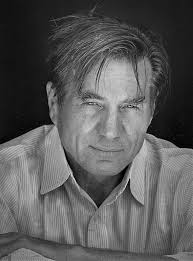
Galway Kinnell, 1927-2014 – “Tillamook Journal” from Collected Poems


Leave a Reply